Quick Answer
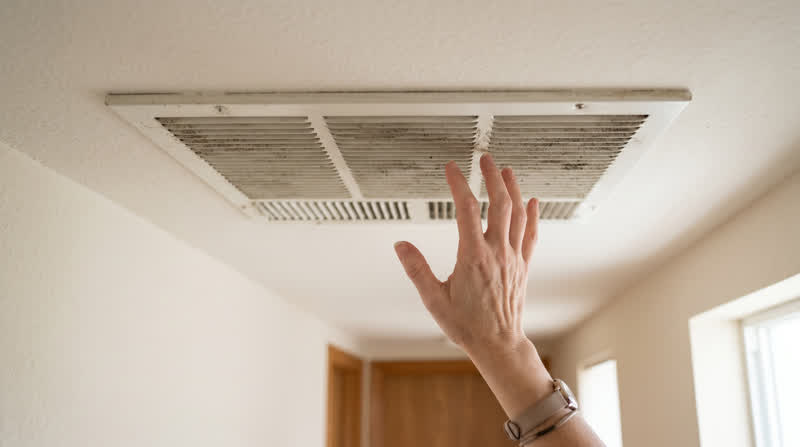
A bad smell from your AC in Lakeland, FL almost always signals a fixable problem — but the urgency varies significantly by odor type. A musty or moldy smell means biological growth in your drain pan, coil, or ductwork and is the most common complaint in Lakeland's humid climate. A burning smell could indicate an overheating motor or electrical issue and warrants immediate attention. A rotten egg or sulfur odor is a potential gas leak emergency — turn off the system, leave the house, and call 911. For persistent AC odors in Lakeland, call (863) 875-5500 — Top Notch Air Conditioning & Heating has served Polk County since 2012 and carries a 4.9-star rating from 615+ reviews.
Lakeland's combination of intense Florida heat and pervasive humidity creates the perfect conditions for AC odor problems. Your air conditioning system moves every cubic foot of air in your home through its components multiple times per day, which means any contamination — biological, chemical, or mechanical — gets distributed throughout your living space almost immediately. If your AC smells bad, your whole house smells bad.
The good news is that most AC odor problems have straightforward causes and fixable solutions. Understanding what each odor indicates helps you know whether to call a technician immediately, schedule a routine service visit, or handle it yourself. This guide walks through the six most common AC odors reported by Lakeland homeowners, from Dixieland and Lake Hollingsworth to South Lakeland and Grasslands.
Why Lakeland Homes Are Especially Prone to AC Odor Problems
Before diving into the specific odors, it helps to understand why Lakeland homeowners deal with AC smell complaints more frequently than people in other parts of the country. The answer comes down to three interconnected factors unique to central Florida.
First, Lakeland's proximity to Lake Hollingsworth, Lake Morton, Crystal Lake, and dozens of other water bodies keeps ambient humidity elevated year-round. Even on cool winter days, relative humidity in Lakeland regularly runs 65–80%. That moisture is constantly being pulled into your home through doors, windows, and building envelope gaps, and your AC system's evaporator coil is the primary defense — it removes that moisture from the air as part of the cooling process. The coil surface, drain pan, and condensate lines are therefore perpetually wet, creating ideal conditions for mold and mildew growth.
Second, Lakeland's AC systems run nearly year-round. Unlike homes in northern states that get a true winter break allowing components to dry out completely, a Lakeland home's air handler may run 10 to 12 months per year. That continuous operation maintains the warm, damp conditions that microbial growth thrives in.
Third, Lakeland's older housing stock — particularly homes in Cleveland Heights, Dixieland, and around Lake Morton — often has ductwork that predates modern sealing standards. Leaky ducts in unconditioned attic spaces pull in attic air, which carries dust, organic debris, and moisture that accumulates in the duct system over time.
Odor 1: Musty or Moldy Smell (Most Common in Lakeland)
A musty or mildewy odor is by far the most common AC smell complaint from Lakeland homeowners. It smells like a damp basement, a wet towel left in a gym bag, or an old library — earthy, slightly stale, and distinctly unpleasant. If your AC smells musty when it first kicks on and then the smell gradually fades, or if it runs throughout the cycle, mold or mildew is present somewhere in the system.
The most common locations for biological growth in a Lakeland HVAC system are:
- The condensate drain pan: The shallow pan under your evaporator coil catches condensation. In Lakeland's humidity, it holds standing water much of the time, and algae, mold, and bacteria colonize it aggressively. This is the single most common source of musty AC odors in Polk County homes.
- The evaporator coil surface: The coil fins are closely spaced and perpetually damp. Dust and organic particles accumulate between the fins, providing nutrients for mold growth. A dirty, moldy coil also reduces cooling efficiency significantly.
- The condensate drain line: The PVC pipe that routes condensation away from the drain pan frequently develops biofilm and algae blockages in Florida's warm conditions. Even before a full clog develops, a partially restricted line can allow standing water in the pan.
- Flex ductwork: Flex duct in unconditioned attics can develop moisture intrusion if it has any damage or loose connections. Once mold establishes in ductwork, it spreads spores throughout the home every time the system runs.
The fix for most musty smell situations is professional coil cleaning, drain pan treatment with an algaecide, drain line flushing, and potentially UV light installation to prevent regrowth. Homes in Grasslands, Lakeside Village, and South Lakeland with newer systems often find that the evaporator coil has never been professionally cleaned since installation — a service that makes an immediate and dramatic difference in air quality and system efficiency.
Odor 2: Burning Smell
A burning odor from your AC can range from a mild "dusty burning" smell that dissipates quickly to a sharp electrical burning smell that indicates a serious problem. Context matters enormously here.
A brief dusty burning smell when you first turn on your AC after a long period of inactivity — such as the first time you run the heat in a Lakeland winter — is typically dust burning off the heat strips or heat exchanger. This is normal and should clear within a few minutes. If it persists or reoccurs, it warrants a service call.
A persistent burning smell, or one that smells distinctly electrical (like burning plastic or a sparking wire), is a different situation requiring immediate attention. Possible causes include:
- Overheating blower motor: The motor bearings wear out over time, especially in Lakeland's high-demand climate. An overheating motor produces a strong burning smell and will eventually fail completely if not addressed.
- Failing capacitor: Capacitors in the outdoor unit can overheat and begin to fail, producing a burning smell before the unit stops starting entirely. This is extremely common in Polk County — Lakeland's summer heat degrades capacitors faster than almost anywhere in the country.
- Electrical wiring issues: Loose connections, chafed wires, or failing contactors can create hot spots that produce burning smells and present fire risks.
- Debris in the outdoor unit: Leaves, palmetto berries, or other debris drawn into the condenser fan can contact motor windings or create friction.
If you smell burning from your AC in Lakeland — particularly in neighborhoods like Kathleen, Medulla, or anywhere the unit has been running hard through summer heat — turn the system off and call (863) 875-5500 for a diagnostic visit before running it further. Continuing to operate a system with an electrical burning smell can cause additional component damage or create a fire hazard.
Odor 3: Rotten Egg or Sulfur Smell (Emergency)
A rotten egg or sulfur odor coming from your vents is a potential natural gas emergency and should be treated as such. Natural gas is odorless in its natural state — the rotten egg smell comes from mercaptan, an additive specifically included to make leaks detectable. If you smell sulfur or rotten eggs near your AC vents or anywhere in your home:
- Do not turn any electrical switches on or off
- Do not use your phone inside the house
- Leave the home immediately
- Call 911 and your gas company from outside
Note: while natural gas leaks are the most critical cause of sulfur smells, there is another less-urgent possibility in Lakeland specifically — a dead animal in the ductwork or near the outdoor unit. Lakeland's abundant wildlife (possums, squirrels, lizards) occasionally find their way into attic ductwork or condenser cabinets. This produces a strong, localized decaying smell that is distinctly biological rather than chemical. If the smell is localized to one vent rather than throughout the house, and there is no history of gas line work, a pest or wildlife issue is more likely than a gas leak — but always err on the side of caution and rule out gas first.
Odor 4: Dirty Sock Syndrome
Dirty sock syndrome is exactly what it sounds like — your AC smells like a locker room or a pile of gym clothes. This odor is specific to heat pumps and air handlers with electric heating strips, and it occurs when the system switches between cooling and heating modes. The temperature change causes condensation on the coil, and any mold or bacteria present produces volatile compounds that smell distinctly like dirty laundry.
This is particularly relevant for Lakeland homeowners who use heat pump systems — common in homes built in the 2000s and 2010s in areas like South Lakeland, Kathleen Road corridor, and the Medulla area. When winter arrives and the system switches to heating mode for the first time in months, dirty sock syndrome can hit hard.
The solution is professional evaporator coil cleaning and treatment with an antimicrobial coil cleaner. Some persistent cases benefit from UV light installation, which continuously kills biological growth on the coil surface and eliminates the problem at its source.
Pricing varies by system size, home size, and installation complexity.
Call (863) 875-5500 for a free in-home estimate. Every job is priced individually.
| Odor Type | Most Likely Cause | Urgency Level |
|---|---|---|
| Musty / Moldy | Mold in drain pan, coil, or ducts | Schedule within a few days |
| Dirty socks / gym locker | Bacteria on evaporator coil | Schedule soon |
| Burning (dusty) | Dust on heat strips (first use) | Low — monitor |
| Burning (electrical) | Failing motor, capacitor, or wiring | Urgent — same day |
| Rotten egg / sulfur | Gas leak or dead animal in ducts | Emergency — leave home |
| Cigarette smoke / stale | Contaminated filter or coil | Replace filter + service |
Odor 5: Chemical or Sweet Smell — Possible Refrigerant Leak
A faintly sweet, chemical smell — sometimes described as ether, chloroform, or a nail salon — near your indoor air handler can indicate a refrigerant leak. R-410A (the refrigerant in systems installed after 2010) has a faint sweet chemical odor when concentrated. R-22 (in older systems) has a slightly different chemical smell.
Refrigerant leaks are more common in older systems — particularly those in Lakeland's historic neighborhoods like Dixieland and Cleveland Heights where 15–20 year old equipment is still in service. They also develop in newer systems that experienced a manufacturing defect or that were subjected to vibration stress or formicary corrosion from acetic acid vapors (common near new construction with freshly cured concrete and lumber).
A refrigerant leak is a problem requiring professional attention for several reasons. The refrigerant itself is harmful to breathe in concentrated amounts. The leak must be located and repaired before recharging — simply adding refrigerant without fixing the leak is a temporary and costly band-aid. And for systems using R-22, a leak may be the tipping point that makes AC replacement more economical than repair.
If you suspect a refrigerant leak — especially if you also notice the house not cooling as effectively as before, or ice forming on the refrigerant lines near the air handler — call (863) 875-5500 to schedule a leak detection and refrigerant check.
Odor 6: Stale or Stagnant Smell
A stale, flat, or stagnant smell from your vents is usually not as alarming as the other odors on this list, but it indicates that your system's filtration and air circulation are not performing well. Common causes include:
- Clogged air filter: The most common cause of stale air. A filter that has not been changed in months accumulates a thick layer of dust, pet dander, and debris that restricts airflow and itself becomes a source of odor. Lakeland's dusty conditions during dry season and abundant oak pollen make filter changes critical — every 60–90 days minimum, 30 days if you have pets.
- Cigarette smoke contamination: If a previous homeowner smoked indoors, the residue embeds in ductwork, coils, and insulation. This odor intensifies on warm days when the system runs hard. Professional coil cleaning and duct treatment can reduce but not always eliminate this smell.
- Stagnant standing water: If your home has been unoccupied or the AC has not run in weeks, water that accumulated in the drain pan evaporates slowly and can produce a flat, stagnant odor when the system first starts up.
In homes throughout Grasslands, Crystal Lake, and Lake Hollingsworth neighborhoods, stale air complaints often trace back to a combination of an overdue filter change and a drain pan that needs cleaning. Both are quick, affordable fixes.
UV Light Systems: The Long-Term Solution for Lakeland's Odor Problem
For homeowners in Lakeland who deal with recurring musty smells, dirty sock syndrome, or persistent air quality concerns, a UV germicidal light installed in the air handler is the most effective long-term solution. These systems use UV-C light to continuously kill mold, bacteria, and viruses on the evaporator coil surface — the same technology used in hospitals to sterilize air and surfaces.
UV light systems installed in the air handler require no ongoing maintenance beyond bulb replacement (typically every 12–24 months) and dramatically reduce biological growth on the coil. Many Lakeland homeowners report that after UV light installation, the musty smell that plagued their home for years disappears completely and never returns.
Top Notch Air Conditioning & Heating installs UV germicidal lights as part of comprehensive indoor air quality improvements.
When to Call a Technician vs. Handle It Yourself
Some AC odor causes can be addressed by the homeowner; others require a licensed HVAC technician:
- Change yourself: Replace the air filter (every 60–90 days). Add algaecide tablets to the drain pan. Clear visible debris from around the outdoor unit.
- Call a technician: Any burning smell (especially electrical). Chemical or sweet smell suggesting refrigerant leak. Musty smell that persists after filter change. Dirty sock syndrome. Any situation where the smell is accompanied by reduced cooling performance or unusual system behavior.
- Emergency (911 first): Rotten egg or sulfur smell — treat as a gas leak until ruled out.
Lakeland's climate means that ignoring a persistent musty smell is not just a comfort issue — it is a health issue. Mold spores circulating through your home's air affect respiratory health, particularly for children, elderly residents, and anyone with allergies or asthma. The neighborhoods around Lake Hollingsworth and Crystal Lake, where moisture levels are consistently higher than inland areas, see higher rates of mold-related AC complaints and more severe consequences when the problem is left unaddressed.
Neighborhoods We Serve in Lakeland
Top Notch Air Conditioning & Heating serves all Lakeland neighborhoods from our base in Winter Haven. Whether you are in the historic homes of Dixieland with original ductwork, the lakeside properties near Lake Hollingsworth or Lake Morton, the established communities of Cleveland Heights and Grasslands, the shopping and residential areas of Lakeside Village and South Lakeland, the Crystal Lake area, or the suburban communities of Medulla and Kathleen — we are typically 20–30 minutes away and carry coil cleaning equipment, UV light systems, and algaecide on every service truck.
Our technicians understand the specific conditions in each Lakeland neighborhood. Older homes in Dixieland and around Lake Morton often need more aggressive coil cleaning due to years of accumulated buildup. Newer homes in South Lakeland and Kathleen sometimes experience dirty sock syndrome when heat pump systems switch modes. Whatever the cause of your AC odor, we have addressed it before and know how to fix it permanently.
Frequently Asked Questions About AC Smells in Lakeland
Why does my AC smell musty only when it first turns on?
This is the classic sign of mold or mildew in the drain pan or on the evaporator coil. When the system starts, it blows air across the contaminated surface and distributes the musty odor. As the system runs, the smell fades because the coil cools and reduces volatilization of the odor compounds. The problem does not go away — it is just less noticeable while running. A professional coil cleaning and drain pan treatment will eliminate the source.
Is a musty AC smell dangerous to my family's health?
It can be, particularly for vulnerable household members. Mold spores circulating through the air can trigger allergic reactions, worsen asthma, and cause respiratory irritation. Children, elderly adults, and anyone with compromised immune systems are most at risk. Even healthy adults can develop symptoms with prolonged exposure to high mold spore counts. Addressing a musty AC smell promptly is a health matter, not just a comfort issue.
How much does it cost to fix a musty AC smell in Lakeland?
Pricing varies by system condition and what is needed. Most musty smell corrections involve evaporator coil cleaning, drain pan treatment, and condensate line flush — many technicians perform these as a combined service. UV light installation is available for long-term prevention. Call (863) 875-5500 for a free quote. Compare this to the cost of ignoring the problem — repeated musty smells often indicate a drain clog developing, which can cause water damage costing thousands of dollars to remediate.
Will changing my AC filter fix the musty smell?
A filter change is always the right first step, but it rarely fixes a genuine musty smell. The filter captures particles but does not address mold already growing on the evaporator coil or in the drain pan. Think of it this way: a dirty filter can contribute to the problem (reduced airflow increases coil moisture), but replacing it only removes one contributing factor. If the smell persists after a filter change, the coil and drain pan need professional cleaning.
Can I clean my AC coil myself to fix the smell?
Homeowners can access the air filter and sometimes spray the accessible portion of the evaporator coil with a no-rinse coil cleaner from a hardware store. This provides temporary improvement in mild cases. However, thorough coil cleaning requires the technician to access the full coil surface, which often means removing the air handler cabinet panels. Professional cleaning with appropriate antimicrobial agents is far more effective and lasts much longer than a DIY spray. For persistent or severe odors, professional service is the right call.
Call Top Notch for AC Odor Issues in Lakeland
Bad AC smells in Lakeland are common, but they are not something you have to live with. Top Notch Air Conditioning & Heating has been diagnosing and fixing AC odor problems throughout Lakeland and Polk County since 2012. As a Carrier Factory Authorized Dealer with a 4.9-star rating from 615+ Google reviews and state license CAC1817537, we bring professional-grade solutions to every call — whether it is a straightforward coil cleaning or a comprehensive indoor air quality improvement with UV lights and dehumidification.
Call (863) 875-5500 to schedule your AC odor diagnosis or schedule online. We serve all Lakeland neighborhoods including Dixieland, Lake Hollingsworth, Lake Morton, Cleveland Heights, Grasslands, Lakeside Village, Crystal Lake, South Lakeland, Medulla, and Kathleen.